


 Español
 日本語
日本語Study Art, Humanities and Creative Writing in Germany
One of Europe's oldest intellectual traditions — world-class universities and extraordinary cultural infrastructure
 Leonardo
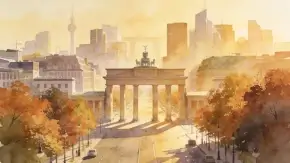
Germany has one of the world's most distinguished traditions in the humanities. The Humboldtian model of research-led teaching — developed at what is now Humboldt University in Berlin in the early 19th century — became the template for university education across Europe and North America. That tradition of serious intellectual inquiry, combined with Germany's extraordinary cultural infrastructure, makes it one of the most rewarding places in the world to study art, humanities, and creative writing. Berlin alone hosts over 170 museums, three UNESCO World Heritage sites, dozens of major galleries, and a contemporary arts scene that attracts international artists, curators, and critics year-round. For students of art history, cultural studies, or creative writing, the city is not just a place to study — it is a living subject in itself.
Why Study Arts and Humanities in Germany
Deep intellectual tradition rooted in the Humboldtian research university model
Berlin is one of the world's leading cities for contemporary art and cultural production
Very low or no tuition at public universities — most under €400/semester
Strong graduate pathways into publishing, media, cultural institutions, and education
Abundant museum, gallery, archive, and festival internship opportunities
Gateway to Europe's broader cultural sector — France, Austria, and the Netherlands within easy reach
What to Expect from Humanities Programs
Humanities programs at German universities combine rigorous critical thinking with deep engagement with primary texts and cultural materials. Teaching methods vary — from seminars and tutorials to archival research and studio-based practice in creative writing programs. The academic culture places high value on independent thought, argumentation, and writing clarity. Students are expected to engage actively with scholarship and contribute their own ideas from an early stage. Programs typically conclude with a substantial written thesis that can serve as a portfolio piece for graduate study or professional applications.
Practical Facts for Humanities Students in Germany
| Typical tuition | €0–€400/semester at public universities |
|---|---|
| Program duration | 3 years (BA), 2 years (MA) |
| Language of instruction | German primarily; English-taught options available at some institutions |
| Academic culture | Seminar-based, research-focused, writing-intensive |
| Main study city | Berlin (programs in this guide are Berlin-based) |
| Key sectors after graduation | Publishing, media, education, museums, cultural NGOs |
Career Paths After Graduating
- Curator and arts administrator
- Writer, journalist, and content strategist
- Cultural project manager and producer
- Teacher and academic researcher
- Publishing editor and literary agent
- Arts policy and cultural advocacy roles