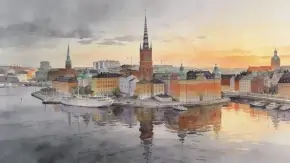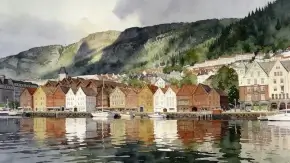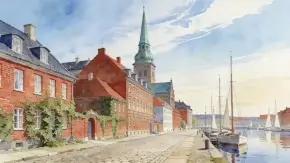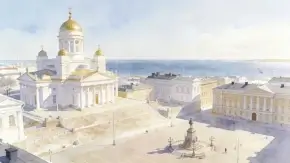



Media and communication studies asks how information moves through society — who produces it, who controls it, and how it shapes what people believe. Europe offers a distinctive vantage point on those questions, because it combines a strong public-service broadcasting tradition with some of the world's most robust protections for press freedom and media pluralism, and it is actively writing the rules that will govern digital platforms through legislation like the Digital Services Act. That regulatory and democratic seriousness shows up in the classroom: European programs tend to pair communication theory and media research with hands-on craft in journalism, strategic communication, public relations, and increasingly data journalism and digital production. English-taught degrees are widespread across the continent, and studying among many different national media cultures — rather than a single one — gives students a genuinely comparative feel for how communication works across languages and borders. Specializations range from investigative journalism and film and television to brand and strategic communication. Graduates go on to newsrooms, communications and PR teams, international organizations, platform-policy roles, and the content and media-production studios that now sit inside almost every industry.
Featured Media & Communication Programs in Europe
A selection of programs available across Europe — explore details, fees, and requirements.
Digital Media and Society
KU Leuven Leuven, Belgium
Digital Media and Society KU Leuven
Visit Program WebsiteCrossmedia
Tallinn University Tallinn, Estonia
Crossmedia Tallinn University
Visit Program WebsiteCross-Cultural Communication Management
KU Leuven Leuven, Belgium
Cross-Cultural Communication Management KU Leuven
Visit Program WebsiteNew Media Language
Kaunas University of Technology – KTU Kaunas, Lithuania
New Media Language Kaunas University of Technology – KTU
Visit Program WebsiteWhy Study Media & Communication in Europe?
Strong journalism traditions
Diverse media landscapes
EU media policy developments
Digital media innovation
International media organizations
Popular Specializations
Focus areas within Media & Communication
Admission Requirements
What you'll need to apply
Bachelor's Programs
- High school diploma
- Communication skills
- English proficiency
- Portfolio for some programs
Master's Programs
- Bachelor's degree in relevant field
- Work samples or portfolio
- English proficiency
- Media experience valued
- Letters of recommendation
What You'll Study
Typical curriculum and coursework
Media theory
Journalism practice
Digital media skills
Media ethics
Research methods
Production skills
Practical projects
How to Prepare
Tips to strengthen your application
Build a portfolio of work
Gain media experience
Stay current with media developments
Develop writing and storytelling skills
Learn digital tools
Career Paths
Where a Media & Communication degree can take you
Journalist
Report news and stories
Communications Manager
Lead communications strategy
Content Producer
Create media content
Social Media Manager
Manage social presence
PR Specialist
Handle public relations
Media Researcher
Research media and communication

Find Your Perfect Media & Communication Program
Tell Leonardo what you're looking for and get personalized program recommendations in seconds.
Try asking:
Explore Other Fields
Not quite right? Discover more study areas