We are using cookies to give you the best experience on our website. You can find out more about which cookies we are using in our privacy policy.
Música y Artes Escénicas › Especialización
Estudiar Producción Musical en Europa
Los programas de producción musical en Europa te forman para crear, grabar y dar forma al sonido grabado en distintos géneros, desde la música pop y electrónica hasta el audio cinematográfico y los formatos inmersivos.
programas de Producción Musical en Europa de 4 universidades · actualizado para 2026
Ir a:
Buscar programas de Producción Musical
Leonardo
I can help you understand and compare these programs.
Una semana típica incluye sesiones de DAW en Ableton Live o Logic Pro, talleres de tratamiento acústico y grabación en estudio, tutoriales de diseño de sonido, revisiones de mezclas y, cada vez más, sesiones sobre audio espacial y producción en Dolby Atmos. Europa cuenta con una sólida tradición en música electrónica y una próspera industria de estudios en Londres, Berlín, Estocolmo y Ámsterdam. Escuelas especializadas como SAE Institute, Berklee Valencia y un número creciente de programas vinculados a conservatorios ofrecen vías de acceso a este campo. La advertencia honesta es que la producción musical está completamente orientada al portafolio: empleadores y colaboradores juzgan tu trabajo, no tu título. Un sólido catálogo de obras publicadas o por encargo tendrá más peso que el nombre de tu institución en la mayoría de los contextos laborales.
Lo Que Realmente Estudiarás
Áreas principales dentro de Producción Musical
Producción con DAW, arreglos y mezcla para géneros comerciales contemporáneos
Técnicas de grabación en estudio, colocación de micrófonos y principios acústicos
Diseño de sonido y síntesis para música electrónica, cine y medios interactivos
Gestión musical, licencias de sincronización y navegación por la industria en la era del streaming
¿Por Qué Europa para Producción Musical?
Lo que hace únicos a los programas europeos en esta especialización
La escena de música electrónica europea —desde el techno berlinés y el grime británico hasta la producción pop escandinava— genera redes profesionales e industrias genuinamente distintas de las tradiciones americanas de producción musical. Las entidades de gestión colectiva de derechos y los sellos discográficos europeos tienen una presencia operativa sólida en Londres, Estocolmo, Ámsterdam y Berlín. El programa Creative Europe de la UE apoya proyectos musicales e iniciativas de desarrollo artístico. El Proceso de Bolonia permite el reconocimiento de titulaciones en 48 países del EEES, y las ciudades europeas con fuerte credencial de escena proporcionan el entorno profesional —clubes, estudios, sellos, empresas de sincronización— donde se construyen las carreras en producción musical.
Salidas Profesionales
Salidas para graduados en Producción Musical
Productor musical trabajando con artistas en contextos de estudio específicos por género o publicando música original de forma independiente
Ingeniero de sonido en un estudio de grabación o casa de postproducción, gestionando mezcla y masterización
Diseñador de sonido para videojuegos, cine o instalaciones interactivas, creando entornos sonoros a medida
Consultor/a de sincronización o supervisor/a musical que propone música grabada para licenciarla en publicidad, cine, televisión y contenidos interactivos
Salarios y Perspectivas Laborales
Lo que los graduados en esta área ganan de forma realista
€20.000 – €45.000 (puestos de ingeniería de audio y estudios de grabación; los ingresos por producción son muy variables y dependen del género; los ingresos multifuente que combinan producción, mezcla y docencia son habituales)Rango Salarial Típico
Cómo Acceder al Campo
Lo que los programas y empleadores realmente buscan
Los programas de producción musical admiten en función del trabajo presentado (temas, mezclas o grabaciones) y con frecuencia mediante una entrevista o prueba práctica. Lo que más importa es la evidencia de oído y criterio: un tema producido que demuestra decisiones creativas y técnicas intencionales vale más que un trabajo técnicamente limpio pero genérico. Los programas varían sustancialmente en su énfasis: algunos están orientados principalmente a la grabación en directo y la mezcla, otros a la producción y composición, y otros se especializan en música electrónica o música para imagen. Aclara el enfoque antes de solicitar la admisión. Construir un portafolio en SoundCloud o plataformas de streaming antes de solicitar, y buscar retroalimentación de productores en activo, es la mejor preparación práctica. Para puestos de postproducción y diseño de sonido, un portafolio que demuestre trabajo sobre imagen es relevante.
Programas a los que Puedes Postular Ahora
Programas verificados de nuestras universidades asociadas — solicita información directamente.
Aceptando solicitudes
Audiovisual Arts and Media Arts
RISEBA University of Applied Sciences Riga, Latvia
Bachelor's English 3 years
EU: €4,500 Per yearNon-EU: €5,600
Tap to see program details
Audiovisual Arts and Media Arts RISEBA University of Applied Sciences
Gratis. Se envía directamente al equipo de admisiones de RISEBA University of Applied Sciences.
This bachelor's program trains audiovisual journalists, directors, cinematographers and producers for film, television and multimedia. Students learn to take projects from idea to production, lead film crews, use current recording and editing technology, and design image, sound and composition. They also study art history, cultural theory, composition and color psychology, as well as how to plan and promote creative work on the market. Teaching takes place in editing rooms and video and sound studios, and lecturers include working professionals from the audiovisual and media sector.
3 years
Year 1
Acting I
Acting II
Film Dramaturgy
Screenwriting
Principles of Creating a Photographic Image
Music and Sound Design in Film and Multimedia
Film and Multimedia Cinematography I
Film and Multimedia Cinematography II
Film and Multimedia Production I
Film and Multimedia Directing I
Audiovisual Journalism
Lighting Techniques
Video and Sound Recording Techniques
Fundaments of Audiovisual Editing
Image. Space. Time.
Business English
English for Audiovisual Arts and Media Arts
Civil and Environmental Protection
Course Paper I
Year 2
The Dramatic Construction and Production of the TV Series
Multimedia and Immersive Technologies
Audiovisual Montage Aesthetics and Production Processes
Constructions of Composition and Color Psychology
History and Theory of Art and Culture
History of Film
Research Work
Internship I
Course Paper II
specialization courses
Year 3
Production of 360 Degree Cinematic VR
360 Degree Visualization
Sound Directing
Creative Industries in Business and Management
Analysis and Critique of Creative Industries
Legal Aspects of Intellectual Property
Ethics and Social Responsibility
Philosophy
Internship II
Internship III
Bachelor's Thesis
specialization courses
Electives
free electives with no fixed list, which can also be taken at a partner arts university
Specialization
Film and Multimedia Producer — advanced film and multimedia production, with legal aspects of entrepreneurship, accounting, public relations, private funding in culture and project management.
Specialization
Film and Multimedia Cinematographer — advanced cinematography, with gaffing for film and television, documentary aesthetics, photojournalism, film technology and computer graphics.
Specialization
Film and Multimedia Director — advanced directing and directing actors, with documentary aesthetics, film technologies, photojournalism, gaffing and computer graphics.
Specialization
Audiovisual Journalist — fiction and documentary screenwriting, citizen journalism, information design, photojournalism, AI in journalism, copywriting for public relations, and radio journalism and podcasting.
Practice
Three internships, one in year 2 and two in year 3
Course papers in years 1 and 2
Work in editing rooms and video and sound studios
Thesis
Bachelor's thesis in year 3
To apply for this bachelor's program, applicants must have completed recognized secondary or vocational education. Admission is competitive and based on centralized exam results in English, Mathematics, and other core subjects. If English proficiency is below B2 or not verifiable through exams or certificates (like IELTS, TOEFL, Cambridge), a university entrance test is required. All international applicants must pass a creativity entrance exam by writing an essay on one of several topics and also attend an interview with program faculty. Applicants with foreign education are exempt from centralized exams but must take the institution's admission test.
Catalyst – Institute for Creative Arts & Technology Berlin, Germany
Bachelor's English 3 years
EU: €6,000 Per semesterNon-EU: €6,000
Tap to see program details
Electronic Music Production and Performance Catalyst – Institute for Creative Arts & Technology
Gratis. Se envía directamente al equipo de admisiones de Catalyst – Institute for Creative Arts & Technology.
This project-based bachelor's program is for musicians who want to compose, produce, perform and release their own electronic music. Students design original sounds, record and mix in professional studios, build and code their own instruments and shape live performances, while developing a clear artistic voice within a community of artists with very different styles. The first year can be taken on its own as a one-year HE Certificate, and certificate students may apply to continue into the second year of the BA.
3 years (BA) or 1 year (HE Certificate)full-timeautumn intake
Year 1 (HE Certificate)
recording
sequencing
synthesis
sampling
mixing
studio and live performance
cultural history of electronic music
Year 2
advanced synthesis
creative programming
instrument and interface design
media-based composition
mastering
performance
Year 3
self-directed projects
artistic research
cross-disciplinary collaboration
public presentation through performance and publication
preparation for professional practice
Final project
Substantial self-directed work taken from concept to public presentation
Teaching language
English
Previous education
Secondary-school qualification that gives access to university in the country where it was earned, such as A-levels in the UK or the Abitur in Germany
Applicants without it may be admitted through a non-standard route based on relevant professional or life experience
Others usually need to complete a short course first
English
IELTS 6.0 (B2), or the school's free 90-minute online English test
Documents
Personal and educational information
Proof of previous education
Two original pieces made in a DAW, each with a short description (DJ mixes are not accepted)
Personal introduction, as a written statement of motivation or a video or audio clip
How to apply
Directly with the school through its online application form
Work is shared as online links, not download links
Catalyst – Institute for Creative Arts & Technology Berlin, Germany
Bachelor's English 3 years
EU: €6,000 Per semesterNon-EU: €6,000
Tap to see program details
Creative Audio Production and Sound Engineering Catalyst – Institute for Creative Arts & Technology
Gratis. Se envía directamente al equipo de admisiones de Catalyst – Institute for Creative Arts & Technology.
This bachelor's program combines technical training, creative practice and critical thinking for future music producers and sound engineers. Students learn in industry-standard studios through workshops with working professionals, solo projects that cover every step from idea to release, and collaborative work, producing singles, EPs, music for film, engineering projects and a studio album. The first year can be taken on its own as a one-year HE Certificate.
3 years (BA) or 1 year (HE Certificate)full-timeautumn intake
Year 1 (HE Certificate)
recording, mixing and production
psychoacoustics and acoustics
work across several DAWs and hardware systems
Year 2
advanced recording, mixing and mastering
large-scale studio sessions with bands
sequencing, synthesis and sampling
emerging technologies, including AI in production
Year 3
a self-designed project from concept to public release
full production workflows, alone and in teams
leadership roles in studio production
Practice
29 or more studios and production suites, including recording, mastering, Dolby Atmos and radio studios
Final project
A self-designed project taken from concept to public release
Teaching language
English
Previous education
Secondary-school qualification that gives access to university in the country where it was earned, such as A-levels in the UK or the Abitur in Germany
Applicants without it may be admitted through a non-standard route based on relevant professional or life experience
Others usually need to complete a short course first
English
IELTS 6.0 (B2), or the school's free 90-minute online English test
Documents
Personal and educational information
Proof of previous education
Two original pieces made in a DAW, each with a short description (DJ mixes are not accepted)
Personal introduction, as a written statement of motivation or a video or audio clip
How to apply
Directly with the school through its online application form
Work is shared as online links, not download links
Catalyst – Institute for Creative Arts & Technology Berlin, Germany
Bachelor's English 3 years
EU: €6,000 Per semesterNon-EU: €6,000
Tap to see program details
Music and Sound Design for Visual Media Catalyst – Institute for Creative Arts & Technology
Gratis. Se envía directamente al equipo de admisiones de Catalyst – Institute for Creative Arts & Technology.
This hands-on bachelor's program trains students to create sound and music that works with image, for two routes: audio for other people's work (film and TV scores, Foley, dialogue editing, mixing, sound for games and advertising) and the student's own audiovisual work (installations, scores for dance and performance, films). Learning is project-based, with real briefs, deadlines and collaborators such as film students, and includes learning to read and discuss images. The first year can be taken on its own as a one-year HE Certificate.
3 years (BA) or 1 year (HE Certificate)full-timeautumn intake
Year 1 (HE Certificate)
composition and arrangement
audio production and recording
location recording
sound design
post-production and mixing
writing to picture
a sound installation
Year 2
advanced production and sound design
interactive audio and game engines
spatial sound
film scores and non-linear media
installation and performance
open calls and client work
Year 3
small studio groups of three or four students led by an advisor
weekly master classes with faculty and guest professionals
a full-scale final project from concept to public presentation
Final project
A full-scale project from concept to public presentation
Teaching language
English
Previous education
Secondary-school qualification that gives access to university in the country where it was earned, such as A-levels in the UK or the Abitur in Germany
Applicants without it may be admitted through a non-standard route based on relevant professional or life experience
English
IELTS 6.0 (B2), or the school's free 90-minute online English test
Documents
Personal and educational information
Proof of previous education
Two original pieces made in a DAW, each with a short description (DJ mixes are not accepted)
Personal introduction, as a written statement of motivation or a video or audio clip
How to apply
Directly with the school through its online application form
Catalyst – Institute for Creative Arts & Technology Berlin, Germany
Master's English 1 year
EU: €6,500 Per semesterNon-EU: €6,500
Tap to see program details
Creative Production (Music) MA Catalyst – Institute for Creative Arts & Technology
Gratis. Se envía directamente al equipo de admisiones de Catalyst – Institute for Creative Arts & Technology.
This practice-led master's degree is postgraduate artistic research in sound and music: students define their own research project, develop their own methodology and decide the form their work takes. Workshops, seminars and supervision ground each project in practice-led research and connect it to wider inquiry across sound, music and the arts. It is not a studio engineering, vocational production or genre-based music program.
1 year full-time or 2 years part-timeautumn intake
Composition and Music Technology Estonian Academy of Music and Theatre
This curriculum includes four fields: classical composition, electroacoustic composition, audiovisual composition, and recording arts. These areas support interdisciplinary creativity, offering students flexibility in mentorship and artistic direction. The program emphasizes practical experience through concerts, collaborations with national festivals, and access to high-level studios and recording facilities. Audiovisual composition bridges visual and sonic arts, while recording arts uniquely focus on classical, pop, and jazz recording. The program is globally connected, featuring international guests and culminating annually in the COMMUTE Festival.
Applicants must have completed high school or secondary education, with documents accepted in English. Original or certified copies must be presented upon arrival or sent to the Estonian Academy of Music and Theatre (EAMT). A relevant portfolio of original works is also required as part of the application. Proof of English language proficiency is mandatory. Full admission details and deadlines are available on EAMT’s official website.


 Ask Leonardo - Your AI Advisor

 Leonardo
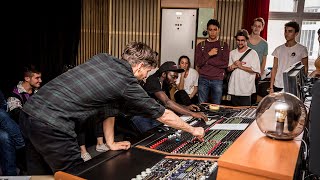 Aceptando solicitudes
 Aceptando solicitudes
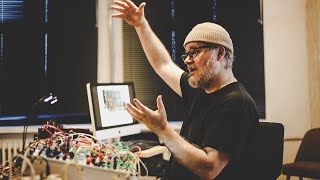 Aceptando solicitudes
























